By Rowe Mellott
January 27, 2026
Local gravel delivery plays a crucial role in the success of various construction and landscaping projects. Establishing a foundation in these industries, gravel serves not only as a structural component but also a pivotal factor in achieving project goals efficiently. The quality and sourcing of gravel can significantly influence the outcomes of projects, with local sourcing offering unique advantages. Understanding the importance of these elements allows stakeholders to optimize their plans for better results.
1. Understanding the Importance of Gravel in Construction Projects
1.1. Role of Gravel in Infrastructure and Development
Gravel is a fundamental material in infrastructure development, serving as a key component in road construction, foundation stabilization, and drainage systems. Its versatility and affordability make it indispensable in various construction applications. The structural integrity of roads and buildings often depends on the quality of gravel used in their foundations. Using gravel in layers beneath asphalt or concrete ensures better weight distribution and durability. As urbanization increases, the demand for reliable construction materials like gravel continues to rise, highlighting its importance in modern development.
1.2. Types of Gravel and Their Applications
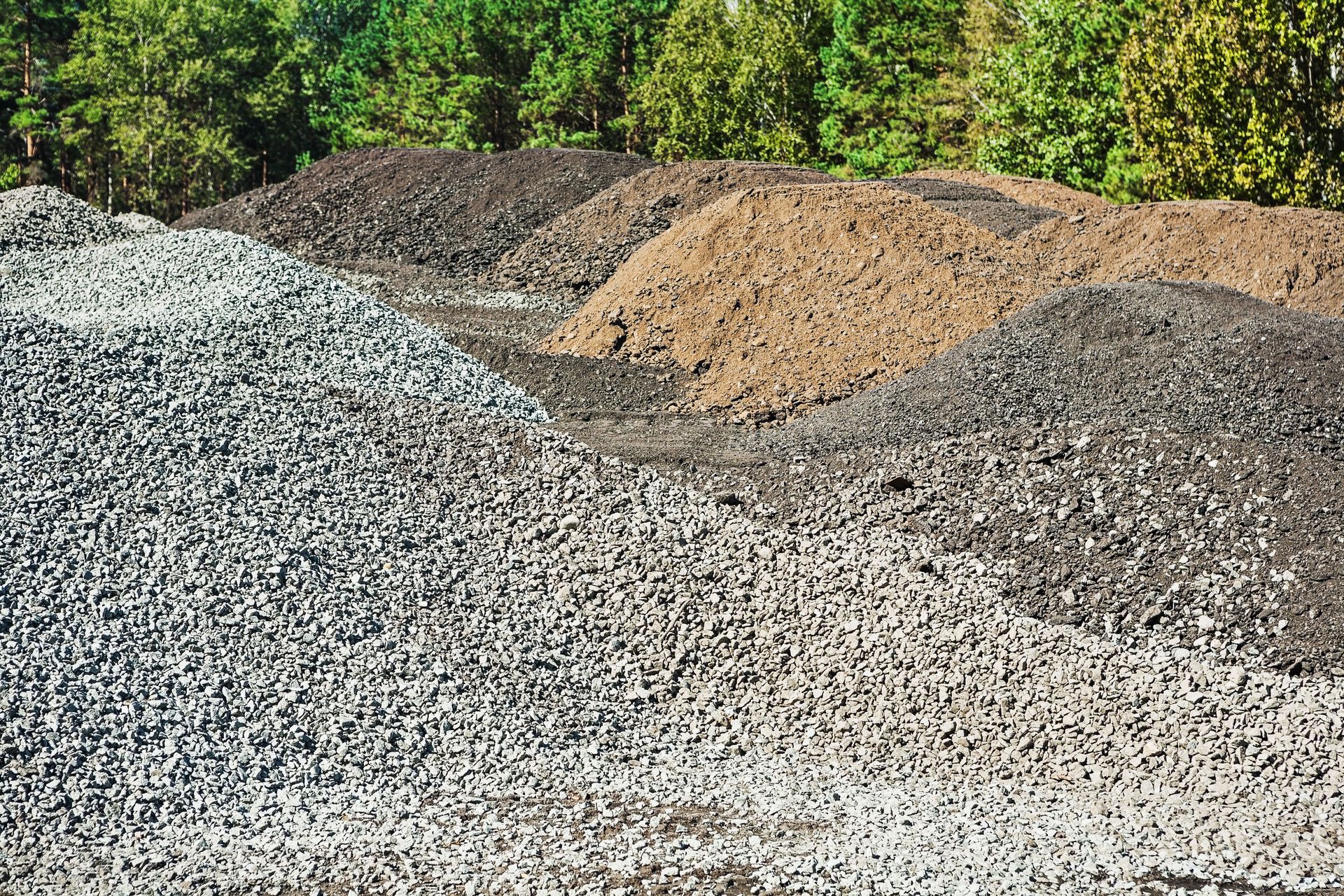
Numerous types of gravel are used in construction, each tailored for specific applications. Crushed stone, pea gravel, and river rock are some popular varieties, each varying in texture, size, and composition. Crushed stone is favored for structural base layers, providing excellent compaction and stability. Pea gravel, with its smooth texture, is often employed in landscaping projects for its decorative properties. River rock is typically used in drainage systems due to its ability to facilitate water flow, making it a valuable resource in flood-prone areas.
1.3. Essential Qualities of High-Grade Gravel
High-grade gravel is characterized by its durability, consistency, and composition, ensuring long-lasting support within construction projects. Durability refers to the gravel's ability to withstand wear and weather conditions over time. Consistency in size and shape allows for easier compaction and surface leveling, enhancing the structural integrity of the project. The composition, involving the ratio of different types of minerals, impacts both the strength and permeability of the gravel. High-quality gravel must meet industry standards to assure stakeholders of its performance in various applications.
1.4. Impact of Gravel Quality on Project Durability
The quality of gravel is directly linked to the overall durability of construction projects. When low-grade gravel is used, projects are prone to premature deterioration, leading to increased maintenance costs and frequent repairs. Conversely, high-quality gravel enhances the longevity and resilience of structures, minimizing the need for future repairs. The ability of gravel to resist environmental elements such as frost and rain is crucial in extending the lifespan of infrastructure. Stakeholders prioritize quality to ensure sustainable success in their projects.
2. Economical Benefits of Local Gravel Sourcing
2.1. Cost Savings on Transportation
Sourcing gravel locally can drastically reduce transportation costs, leading to significant budget savings. When gravel is transported over long distances, costs accumulate due to fuel, labor, and vehicle maintenance expenses. Local sourcing minimizes these costs by reducing the travel distance from supplier to project site. Projects can allocate saved funds towards other crucial operations, enhancing overall financial efficiency. Additionally, prompt local gravel delivery prevents project delays and associated financial penalties.
2.2. Support for Local Economies
Utilizing local gravel resources stimulates economic growth within communities, creating jobs and supporting small businesses. Gravel pits and processing facilities provide employment opportunities for local residents, contributing to regional economic stability. Money spent on local resources circulates within the community, promoting further economic development. Furthermore, investing in local suppliers helps preserve local businesses, fostering strong economic networks. These economic benefits reinforce the importance of prioritizing local sourcing in construction projects.
2.3. Reduced Carbon Footprint
Local gravel sourcing also contributes to environmental sustainability by reducing carbon emissions associated with transportation. Long-distance hauling of gravel requires significant fuel consumption, resulting in a larger carbon footprint. Choosing local suppliers limits the distance trucks need to travel, thereby lowering overall emissions. This approach aligns with growing environmental regulations and corporate responsibilities concerning sustainable practices. By selecting local gravel, construction projects can contribute positively to their environmental impact.
3. Logistics and Efficiency in Gravel Delivery
3.1. Importance of Timely Deliveries
Timely local gravel delivery is crucial in maintaining smooth project flow and adhering to deadlines. Delays in receiving materials can lead to project standstills, increasing labor costs and extending timelines. Consistent and punctual deliveries ensure that each phase proceeds without costly interruptions. Local suppliers often have more predictable delivery schedules due to shorter travel distances, enhancing reliability. Efficient logistics management by gravel providers plays a vital role in upholding project timelines that align with planned progress.
3.2. Reducing Project Delays
Strategically managing local gravel delivery can significantly mitigate potential project delays, ensuring timely completion. By coordinating with local suppliers, project managers can schedule local gravel delivery to coincide precisely with each construction phase. This planned coordination helps prevent downtime caused by waiting for materials to arrive. Local sourcing further supports flexibility, enabling quick adaptations to changes in project requirements. As a result, projects maintain momentum, reducing the risk of missing completion targets due to logistical hiccups.
3.3. Impact on Site Organization and Management
Effective local gravel delivery is integral to strategic site organization and management, optimizing workspace efficiency. Properly timed deliveries help keep the construction site organized, minimizing clutter and optimizing available space. This organization facilitates easier movement of equipment and personnel, enhancing productivity. Local suppliers contribute by providing materials in manageable quantities, aligning with storage capacity constraints. Streamlined site management reduces the risk of accidents and enhances overall operational efficiency.
3.4. Innovations in Delivery Methods
Innovations in delivery methods continue to revolutionize how gravel reaches construction sites, improving logistics efficiency. The use of GPS and real-time tracking optimizes route planning, reducing delivery times and fuel consumption. Innovations such as mechanized unloading equipment further expedite the delivery process, reducing manual labor and associated risks. These technologies enable suppliers to provide accurate delivery estimates and address any issues promptly. Embracing technological advancements in local gravel delivery contributes to enhanced project outcomes.
4. Real-World Success Stories of Projects Using Local Quality Gravel
4.1. Infrastructure Projects and Outcomes
Success stories abound in infrastructure projects where local, quality gravel played a pivotal role in achieving desired outcomes. For example, highway expansion projects have benefited from regionally sourced crushed stone, resulting in reduced maintenance requirements and prolonged service life. Contractors have reported improved project timelines and cost efficiencies by utilizing nearby gravel sources. These projects often experience fewer disruptions, as the local gravel's reliability aligns with stringent construction standards. Real-world outcomes underscore the advantages of sourcing gravel locally for infrastructure development.
4.2. Landscaping Projects and Aesthetic Impact
Landscaping projects that prioritize local quality gravel often achieve striking visual and functional impacts. By opting for regionally specific gravel types, landscapers enhance the aesthetic appeal of outdoor spaces, harmonizing with natural surroundings. The versatility of local gravel provides endless design possibilities, from decorative pathways to sustainable drainage systems. Additionally, using local suppliers reduces project costs, enabling more budget allocation to creative landscaping elements. These benefits showcase how quality gravel elevates landscape architecture while supporting environmental coherency.
4.3. Future Prospects for Local Gravel Suppliers
The future prospects for local gravel suppliers appear promising, driven by growing demand for sustainable and reliable construction materials. According to the USGS, the construction aggregate (sand, gravel, and crushed stone) market is worth billions, with a 2023 value of $35 billion, and demand driven by road stabilization, concrete, and asphalt production. Local suppliers well-positioned to embrace sustainability and technological advancements can expect increased market share. By investing in quality and sustainable practices, local suppliers align with industry trends and customer preferences. These factors bode well for continued success and growth in the gravel supply sector.
Quality local gravel delivery profoundly influences project efficiency, economic viability, and long-term success. By prioritizing local sourcing, stakeholders reap benefits such as reduced costs and enhanced reliability. The integration of technological tools and strong supplier relationships further contributes to optimal outcomes. If you're looking for reliable local gravel delivery services, contact Mellott Contractors today.