By Rowe Mellott
September 30, 2026
Gravel is a versatile material used for driveways, drainage areas, landscaping features, construction sites, pathways, and many other residential and commercial applications. Although selecting gravel may seem straightforward, arranging delivery requires more planning than simply choosing a product and requesting a truckload. The type of material, quantity needed, site conditions, unloading location, and accessibility can all affect how smoothly the process goes.
Planning for gravel delivery can help property owners, contractors, and project managers avoid unnecessary delays and complications. Understanding the major considerations before placing an order also makes it easier to communicate project needs accurately and ensure the material is suitable for its intended purpose. From evaluating gravel types to preparing an accessible unloading area, several factors deserve attention before the delivery date arrives.
Consider the Intended Use
The first consideration should be how the gravel will function within the project. Gravel is available in different sizes, textures, and compositions, and those characteristics can influence how well a particular material performs. Gravel intended for a decorative landscape feature may have very different qualities from material selected for a driveway, drainage application, or construction base.
For example, some applications benefit from compactable materials that create a stable surface, while others require gravel that allows water to move efficiently through open spaces. Decorative applications may place greater emphasis on appearance, including stone shape, texture, and overall consistency. Understanding the intended function helps narrow the available options before arranging gravel delivery.
Project conditions should also be considered. Vehicle traffic, pedestrian use, drainage patterns, soil conditions, and exposure to weather can affect material selection. Choosing gravel based solely on appearance may result in a product that does not provide the necessary performance. Discussing the project with a knowledgeable material supplier or contractor can help ensure that practical requirements are considered alongside aesthetic preferences.
Consider the Material Type
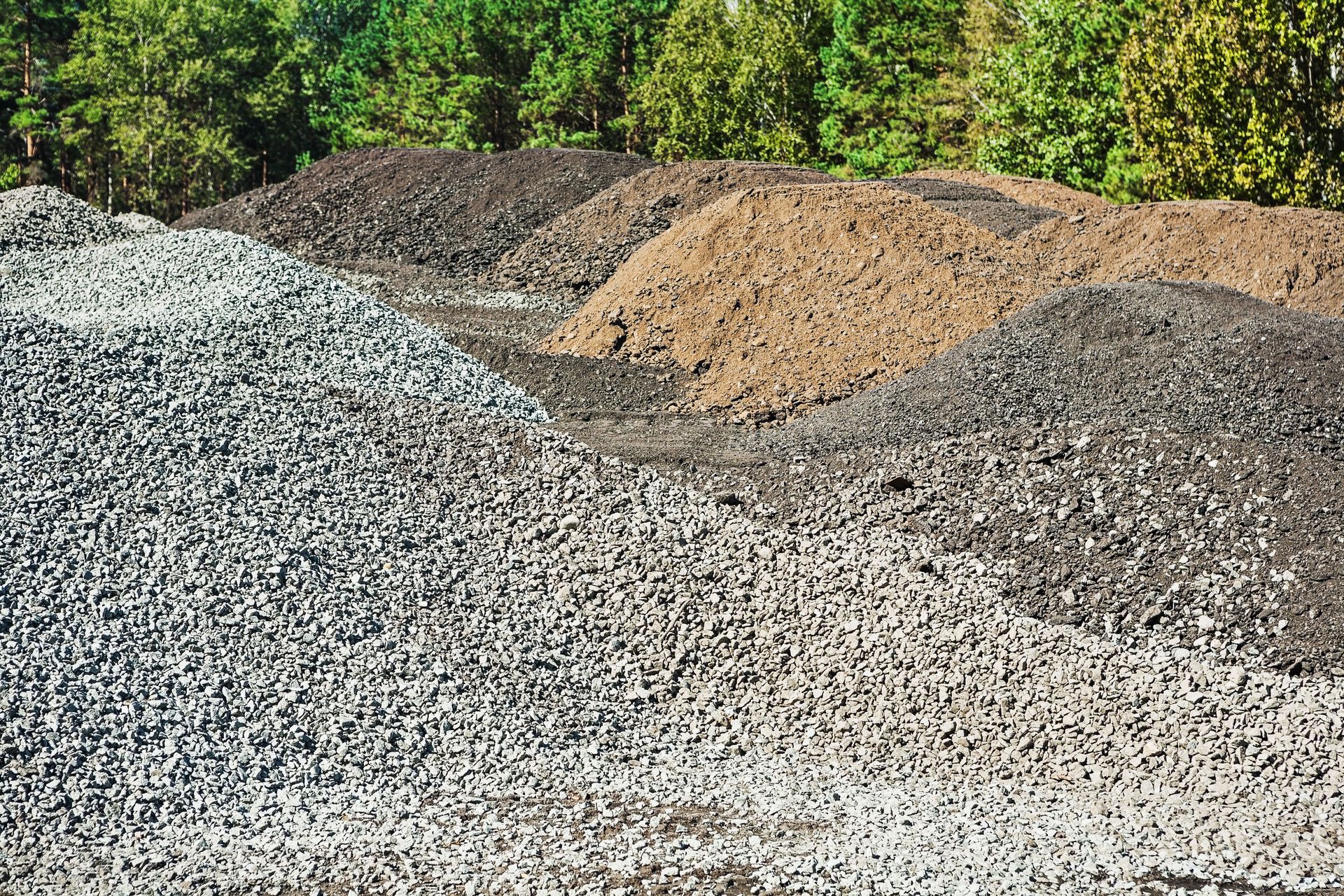
Not all gravel products are interchangeable. Material may differ in stone size, shape, composition, and the amount of finer material mixed with larger aggregate. These characteristics can influence drainage, compaction, stability, and appearance.
Crushed stone typically contains angular pieces that can interlock when compacted, making certain varieties useful for structural applications and heavily traveled surfaces. Rounded gravel behaves differently because individual stones move more easily against one another. Other aggregate products may combine different particle sizes to create a surface or base with specific performance characteristics.
Regional availability can also influence material selection. Aggregate is an essential component of construction activity across the country, and production levels vary considerably by location. According to the National Stone, Sand & Gravel Association (NSSGA), California independently produces an estimated 100 million metric tons of construction sand and gravel, making it the dominant state producer in the United States and supplying material that supports infrastructure within the state.
Consider the Required Quantity
Estimating the amount of material required is another important part of planning. Ordering too little can interrupt a project and require another gravel delivery, while ordering substantially more than necessary can leave excess material that must be stored, relocated, or used elsewhere.
The appropriate quantity depends on the dimensions of the area, the desired depth of material, the type of gravel selected, and the characteristics of the underlying surface. Compaction may also influence how much material is ultimately required. A loose pile does not necessarily represent the same volume the material will occupy after it has been spread and compacted.
Professional assistance can be useful when estimating material needs, particularly for large areas or projects involving uneven terrain. Accurate measurements and clear information about the planned application allow a supplier or contractor to better evaluate requirements. It is also important to clarify how material is sold because suppliers may calculate aggregate quantities according to weight or volume depending on their practices and the material involved.
Consider the Delivery Access
A dump truck requires significantly more space than an ordinary passenger vehicle. Before scheduling gravel delivery, the route into the property should be evaluated for width, overhead clearance, turning space, surface stability, and other potential obstacles.
Low branches, utility lines, narrow gates, parked vehicles, tight corners, landscaping features, soft ground, and steep grades may restrict where a truck can safely travel. Even when a location appears accessible from ground level, overhead obstacles can become particularly important when unloading because the truck body may need additional vertical clearance.
Weather can also change site accessibility. Ground that supports a heavy vehicle under dry conditions may become soft after prolonged rain. Identifying these issues beforehand allows the delivery provider to determine whether the requested unloading location is practical. Clear communication about site conditions is preferable to discovering an access problem after the truck reaches the property.
Consider the Unloading Location
The location where gravel is deposited can affect the efficiency of the entire project. Ideally, material should be placed somewhere that is accessible to the delivery vehicle while also supporting the work that will follow. A convenient location for spreading or transferring material can reduce unnecessary handling.
Property owners should also consider what is beneath and around the proposed unloading area. Drainage structures, landscaping, underground systems, pavement edges, neighboring property, and other sensitive areas may influence where a large pile can be placed. The unloading location should provide sufficient room for the material without blocking access that will still be needed during the project.
Before gravel delivery takes place, the preferred location should be discussed with the provider rather than assumed. Truck access and safe unloading requirements may limit placement options. A provider familiar with aggregate transportation can explain what conditions are needed and identify concerns before dispatching the load.
Consider the Project Schedule
Material delivery should coordinate with the broader project timeline. Gravel arriving too early may occupy valuable workspace or interfere with other activities, while material arriving after equipment or crews are ready can create downtime.
Scheduling becomes especially important on active construction sites where multiple deliveries, contractors, and pieces of equipment may need access to the same area. Residential projects can encounter similar challenges when driveways or entrances must remain usable. Planning gravel delivery around other work can help keep the site organized and reduce conflicts.
Customers should also account for factors that may affect timing outside their direct control. Weather, material availability, transportation conditions, and demand can influence scheduling. Providing sufficient notice and communicating project deadlines allows the supplier to offer realistic information about delivery expectations.
Consider the Site Conditions
The condition of the project area can influence both material performance and delivery logistics. Drainage, grading, soil stability, existing vegetation, and previous surface materials may all matter depending on the scope of work.
For applications such as driveways or pathways, the finished gravel is only part of the overall surface system. If underlying conditions are unstable or drainage is inadequate, adding aggregate alone may not address the underlying problem. A professional evaluation can help determine whether additional preparation or different materials are appropriate.
Site conditions may also change between the time an order is placed and the scheduled gravel delivery. Significant weather or ongoing construction activity can alter access routes and unloading areas. Reviewing the site again before the scheduled arrival can help identify new obstacles and allow concerns to be communicated promptly.
Consider the Delivery Details
Clear communication with the supplier is essential before finalizing an order. Customers should confirm the selected material, estimated quantity, destination, access conditions, unloading expectations, and scheduling information. If there are unusual site restrictions, those details should be explained in advance.
A successful gravel delivery depends on both material selection and logistics. Taking time to evaluate the project, site, and transportation requirements before scheduling can reduce avoidable complications and help ensure that the aggregate arrives where and when it is needed.
Consider Professional Support
Gravel projects can range from straightforward landscape improvements to more complex construction and drainage applications. Regardless of scale, careful planning helps connect the right material with the right project conditions. Material characteristics, quantities, truck access, unloading space, weather, and scheduling all contribute to the overall process.
Professional guidance can be particularly valuable when project requirements are uncertain or when a site presents access or drainage challenges. At Mellott Contractors, we can help evaluate project needs, coordinate appropriate materials, and plan delivery considerations. Contact us to discuss your project and determine an approach that supports efficient material delivery and site preparation.