By Rowe Mellott
February 27, 2026
Every successful DIY home project begins with the right materials. Whether you are building a backyard patio, installing a driveway, improving drainage, or creating decorative landscaping features, gravel often plays a central role. However, sourcing and transporting large quantities of stone can quickly become one of the most challenging parts of the job. That is where gravel delivery services make a significant difference.
Instead of loading heavy bags into your vehicle or making repeated trips to a supply yard, professional gravel delivery services bring the exact material you need directly to your property. This convenience saves time, reduces physical strain, and ensures you receive the proper type and quantity of gravel for your project. For homeowners who value efficiency and accuracy, these services can transform a complicated task into a smooth and manageable process.
What Are Gravel Delivery Services and Why Are They Important for DIY Projects?
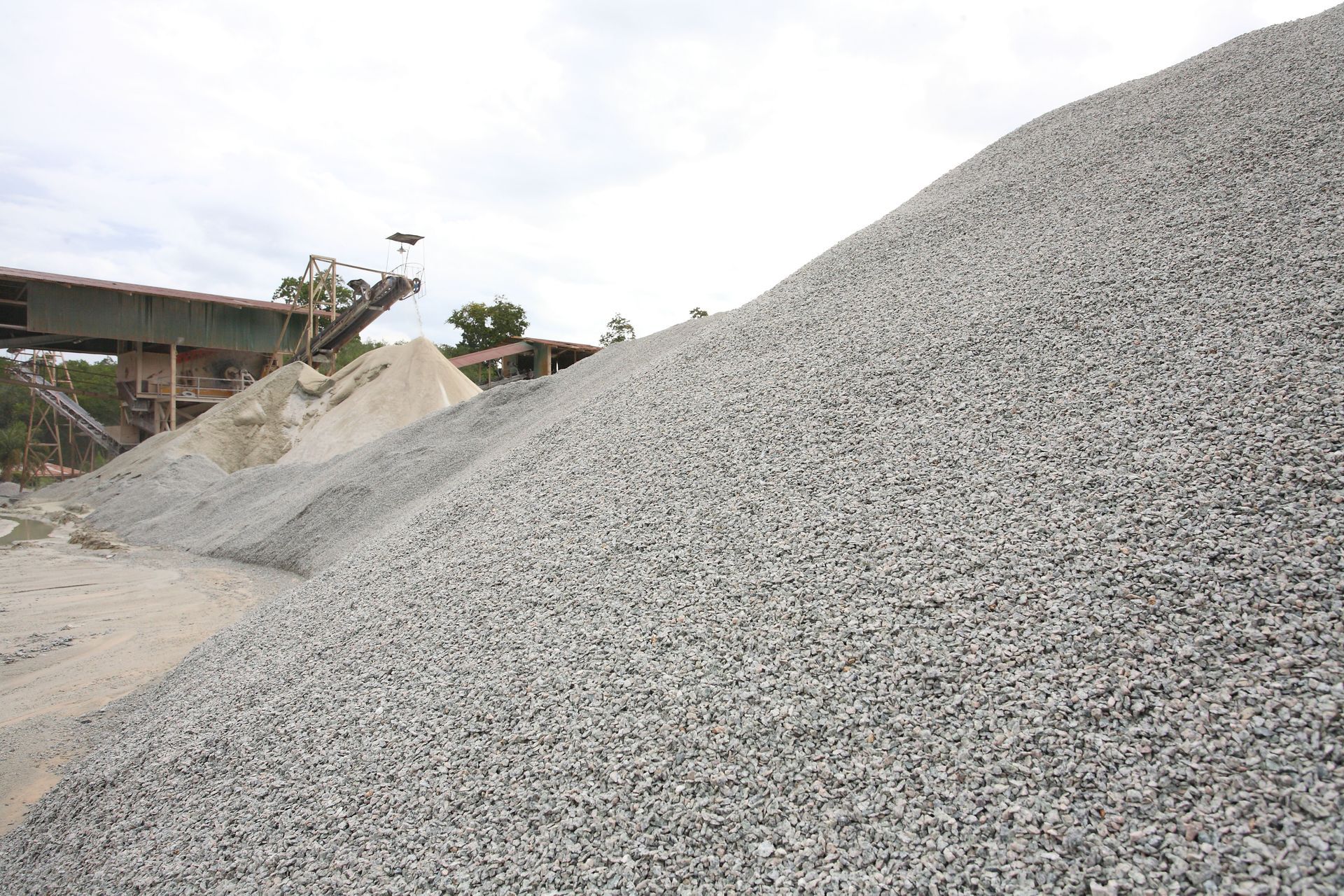
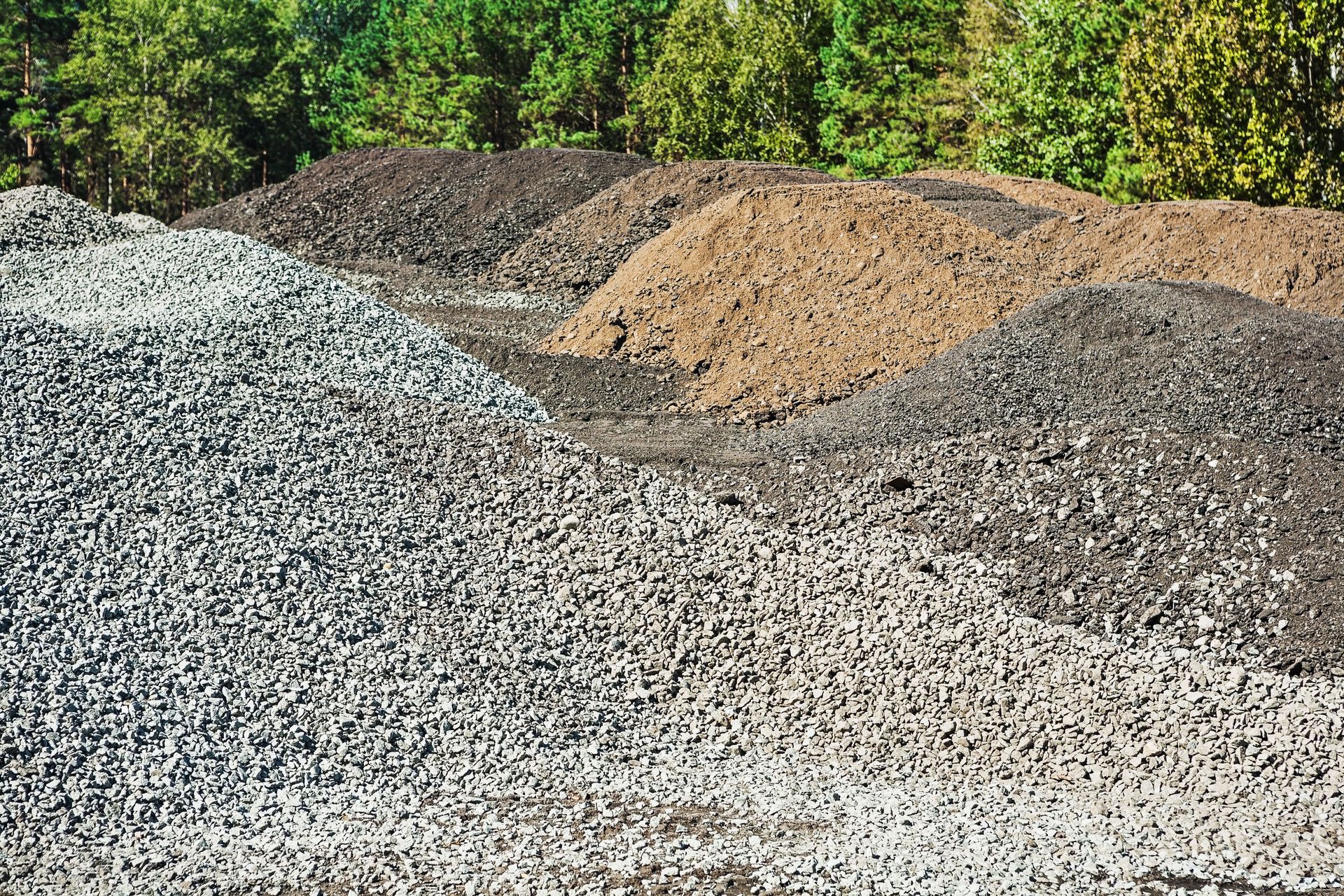
Gravel delivery services provide bulk stone materials directly to residential or commercial project sites. These services typically offer a range of materials, including crushed stone, pea gravel, river rock, decomposed granite, and construction-grade aggregates. Instead of purchasing small bags from a retail store, customers order gravel by the cubic yard or ton, which is then transported in a dump truck and unloaded at a designated location.
For DIY enthusiasts, gravel delivery services are especially important because they eliminate logistical hurdles. Gravel is heavy and bulky, making self-transport impractical for most homeowners. A single cubic yard of gravel can weigh more than a ton, far exceeding the capacity of standard passenger vehicles. Professional delivery ensures safe transportation while protecting your vehicle from damage.
Gravel is also one of the most versatile building materials used in residential construction and landscaping. According to ArcGIS, construction-grade sand and gravel are primarily used for concrete, which accounts for 44 percent of usage, road stabilization at 24 percent, and asphalt at 12 percent. These figures highlight how foundational gravel is to structural projects. Even on a smaller residential scale, the same principles apply. Concrete slabs, driveway bases, and stable walkways all depend on properly graded aggregates.
How to Choose the Right Gravel Delivery Service for Your Home Project?
Selecting the right provider is essential to ensuring your DIY project runs smoothly. Not all gravel delivery services offer the same level of quality, reliability, or material selection, so careful evaluation is important.
Start by identifying your specific project requirements. Different projects require different types of gravel. For example, crushed stone with angular edges is ideal for compaction and structural support, while pea gravel works better for decorative pathways or play areas. A reputable provider should be able to explain the differences and recommend the appropriate material for your needs.
Next, consider the company’s experience and reputation. Established gravel delivery services typically have knowledgeable staff who understand local soil conditions and common residential applications. Reading customer reviews and asking for references can provide insight into reliability, punctuality, and overall service quality.
Delivery logistics also matter. Ask about truck sizes, minimum order requirements, and unloading options. Some providers offer tailgate spreading, where gravel is evenly distributed as the truck moves forward. This can save significant labor time if you are covering a long driveway or pathway.
What Are the Costs Associated With Gravel Delivery Services?
Understanding the cost structure of gravel delivery services helps homeowners plan their budgets accurately. Several factors influence the final price, including material type, quantity, delivery distance, and additional service options.
Material cost is typically calculated by the ton or cubic yard. Specialty gravels, decorative stones, or premium aggregates may cost more than basic crushed rock. If your project requires construction-grade material for structural purposes, expect pricing that reflects its engineered properties.
Delivery fees are another significant component. Companies may charge a flat delivery rate within a certain radius, with additional fees for longer distances. Fuel costs and truck size can also influence pricing. Larger loads often reduce the per-unit cost of gravel, making bulk orders more economical for bigger projects.
Some gravel delivery services offer optional add-ons, such as tailgate spreading or scheduled split deliveries. While these services may increase upfront costs, they can reduce labor expenses and improve efficiency. It is important to request a detailed estimate to avoid unexpected charges.
Planning accurately can prevent overordering or underordering. Too little gravel can delay your project, while excess material may require additional storage or disposal. Professional providers often help calculate the proper volume based on project dimensions, ensuring cost-effective ordering.
How Does the Gravel Delivery Process Work?
The gravel delivery process is generally straightforward, but understanding each step helps ensure a smooth experience. It begins with determining your project’s material requirements. Measure the length, width, and desired depth of the area to calculate the necessary volume.
Once you have this information, contact local gravel delivery services to discuss material options and receive quotes. Many providers offer online calculators or phone consultations to assist with estimating quantities. After selecting your material and confirming the price, you will schedule a delivery date.
Before delivery, prepare the site. Clear the area of obstacles, mark boundaries, and ensure there is adequate space for a dump truck to access your property. Trucks require sufficient clearance for height and turning radius, so planning prevents delays or complications.
On delivery day, the driver will typically confirm the drop-off location. Gravel delivery services may unload the material in a single pile or spread it evenly, depending on your instructions and the service selected. After unloading, inspect the material to confirm it matches your order.
The final step involves spreading, leveling, and compacting the gravel as needed. For structural projects, compaction is crucial to achieve stability. A plate compactor or roller may be necessary for proper installation.
What Are Some Tips for a Successful Gravel Delivery and Installation?
Careful preparation is the key to maximizing the benefits of gravel delivery services. Begin by ordering slightly more material than calculated to account for settling and minor measurement discrepancies. A small surplus can prevent mid-project shortages.
Communicate clearly with your provider about access points and placement preferences. Mark the intended drop area with cones or flags if necessary. This minimizes misunderstandings and ensures the material is delivered exactly where needed.
Consider the weather forecast before scheduling delivery. Heavy rain can create muddy conditions that complicate unloading and spreading. Dry conditions generally provide the best environment for efficient installation.
When installing gravel, take time to prepare the base properly. Remove organic material and level the subgrade before adding gravel. For driveways and structural applications, install the gravel in layers and compact each layer thoroughly. This approach enhances stability and longevity.
Using high-quality gravel delivery services also reduces the risk of inconsistent materials. Uniform stone size and proper grading improve drainage and compaction. Investing in professional delivery ultimately protects your project from premature failure or costly repairs.
Finally, maintain your gravel surface over time. Periodic raking and replenishment help preserve appearance and function. Even the best-installed gravel areas may require occasional topping off, especially in high-traffic zones.
Gravel plays a foundational role in countless DIY home projects, from driveways and patios to drainage systems and landscaping features. By using professional gravel delivery services, homeowners gain access to quality materials, expert guidance, and efficient transportation that saves time and effort. With careful planning, informed selection, and proper installation,
gravel delivery services can help ensure your home improvement project is built on a stable and lasting foundation. If you're looking for reliable and convenient gravel delivery, reach out to the professionals at Mellott Contractors today!